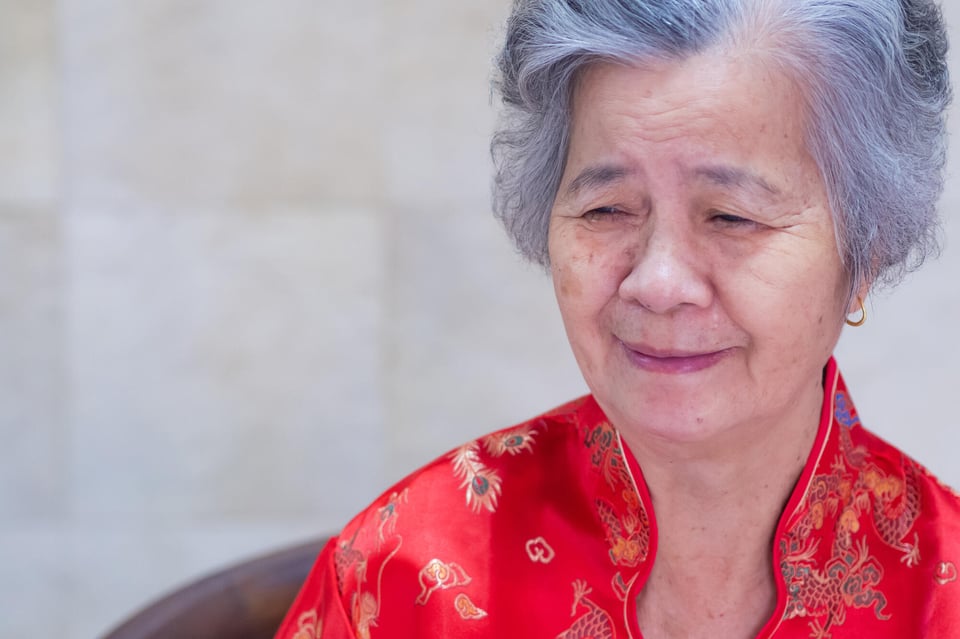
Memory care in Loveland often involves the use of reminiscence learning to strengthen identity, spark connection, and support daily engagement for people living with memory loss. In Loveland, CO, you see familiar stories, music, and skills activate confidence and comfort, even as recall shifts.
Memory care programs use real experiences and guided reminiscence to keep people connected to who they are. Adults living with cognitive changes find meaning when familiar moments, songs, and stories are gently shared and celebrated.
Older adults who take part in guided reminiscence activities can potentially show improvements in emotional well-being, according to research by Yanagida et al. in the Journal of Personalized Medicine that looked at outcomes for people living with memory loss.
Your interest might be personal or professional; you want to help people feel secure and purposeful despite memory differences. Brain changes can feel scary, but reminiscence learning gives people a way to hold onto the essence of themselves.
How Does Reminiscence Learning Support Daily Identity?
Reminiscence learning helps you connect daily routines with familiar life roles and values. Long-held memories surface more easily than recent ones, giving you a steady sense of self. Confidence grows when personal stories guide activities and conversations.
Care teams shape moments around past interests and skills. Cooking memories, work habits, or family traditions guide choices during the day. Identity feels reinforced because actions reflect lived experience.
Why Does Familiar Learning Increase Engagement in Memory Care?
Familiar learning lowers stress by reducing uncertainty during daily interactions. Known topics invite participation without pressure to recall details perfectly. Engagement improves when comfort replaces confusion.
Structured learning tied to personal history encourages involvement across the day. Music, storytelling, and hands-on tasks feel approachable and safe. Participation feels natural because learning follows patterns already stored in long-term memory.
Building Confidence Through Familiar Stories
Reminiscence learning uses personal stories to create comfort and direction during the day. Familiar memories guide choices and reduce hesitation during activities. Confidence grows when past experiences shape present moments.
Daily structure feels easier when routines connect to lived history. Care teams often rely on reminiscence therapy to prompt conversation and action. Familiar stories restore personal confidence while supporting steady participation.
Story-based activities often include:
- Family traditions
- Career memories
- Cultural customs
- Favorite hobbies
Strengthening Brain Response With Purposeful Learning
Personal memory cues help activate retained cognitive pathways. Long-term recall supports brain health in dementia by encouraging mental response without pressure. Learning tied to identity feels natural and achievable.
Sessions focus on recognition rather than recall accuracy. Lifelong learning for seniors works best when lessons reflect past interests. Purposeful learning supports mental stamina while keeping engagement consistent.
Common learning prompts include:
- Music listening
- Object handling
- Visual timelines
- Repetitive skills
Encouraging Meaningful Memory Care Engagement
Engagement improves when activities feel relevant and familiar. Personal relevance increases participation during group and one-on-one moments. Memory care engagement thrives when stress stays low.
Reminiscence learning reduces withdrawal during daily programs. Conversations flow more easily when prompts reflect lived experience. Personal relevance drives stronger engagement across the day.
Engagement-focused methods include:
- Guided conversation
- Sensory activities
- Shared storytelling
- Familiar tasks
Preserving Identity Through Daily Interaction
Identity remains present even as short-term recall changes. Identity-based memory support centers daily life around values and past roles. Respect for personal history reinforces dignity.
In senior living, staff guide interactions using known preferences and routines. Choices feel authentic rather than imposed. Identity remains visible and respected during every interaction.
Identity-focused supports often involve:
- Role-based tasks
- Personal language cues
- Preference-led choices
- Familiar schedules
Creating Emotional Safety Through Recognition
Recognition builds emotional calm and trust. Familiar cues reduce anxiety during transitions and group settings. Emotional safety improves willingness to participate.
Reminiscence learning replaces correction with validation. Emotional connection grows when recognition leads to interaction. Recognition fosters emotional security and steady involvement.
Recognition-based strategies include:
- Name recognition
- Familiar voices
- Repeated rituals
- Personal objects
Frequently Asked Questions
What Is Reminiscence Learning in Memory Care?
Reminiscence learning uses long-term memories to guide daily interaction and engagement. Activities focus on personal history, familiar routines, and known interests rather than new information.
Learning feels less stressful because recall accuracy is not required. Comfort grows when recognition replaces correction during conversation and activity.
Care teams use guided prompts to support communication. Participation often increases when learning connects to lived experience.
How Does Reminiscence Learning Support Brain Function?
Long-term memories often remain accessible even as short-term recall changes. Using retained memories helps stimulate cognitive response without pressure or fatigue.
Mental engagement feels achievable because learning follows familiar pathways. Participation supports mental activity while reducing frustration.
Programs emphasize recognition, repetition, and comfort. Brain response improves through consistency and personal relevance.
Who Benefits Most From Reminiscence-Based Programs?
People living with mild to advanced cognitive changes often respond well. Familiar cues support participation even when verbal ability shifts.
Engagement improves for individuals who feel anxious or withdrawn. Comfort increases when activities feel recognizable and safe.
Care teams adapt learning to personal history. Support feels individualized rather than generic.
How Is Reminiscence Learning Used During Daily Care?
Daily routines often include memory-based prompts. Mealtime, group programs, and personal care benefit from familiar cues.
Caregivers guide interaction using known preferences and past roles. Communication flows more naturally during routine moments.
Learning becomes part of daily life rather than a scheduled task. Engagement stays steady throughout the day.
Can Families Take Part in Reminiscence Learning?
Family input strengthens learning programs. Shared stories, photos, and traditions offer valuable insight.
Care teams use family knowledge to personalize activities. Collaboration helps maintain continuity and identity.
Family involvement supports comfort and trust. Engagement deepens through shared understanding.
Memory Care in Loveland and Lasting Identity Support
Memory care in Loveland involves the use of reminiscence learning to keep identity visible and engagement steady each day. Familiar memories support confidence, emotional balance, and meaningful participation as cognitive changes progress.
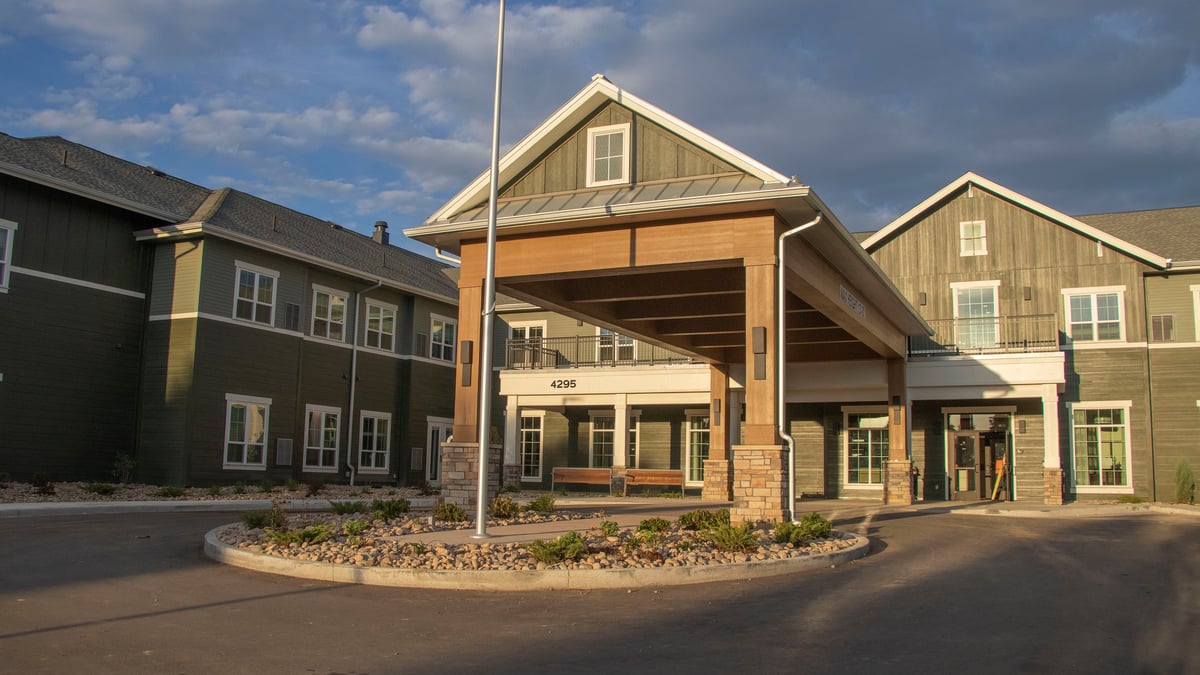
At Stoneridge at Centerra, we tailor memory care with engaging programs and a warm community spirit, award-winning social events, and vibrant spaces that nurture body and mind. Our Vibrant Life® program lets residents shape each day around personal preference, meaningful connection, and purposeful activity, while our customized care plans ensure support matches changing needs.
View our gallery and schedule a tour to experience an inviting atmosphere, chef-prepared meals, community spaces, and resident-centered care that helps maintain dignity and joy.