
Summary
When a parent refuses help with daily living, it often stems from deeper fears about independence and identity rather than simple stubbornness. Understanding these emotional barriers is essential for families seeking compassionate solutions that respect dignity while ensuring safety.
- Fear of losing independence and control can make accepting help feel like acknowledging decline, even when assistance would improve quality of life
- Denial may be a coping mechanism—cognitive changes can affect self-awareness, making limitations genuinely difficult for your parent to recognize
- Concerns about becoming a burden often reflect lifelong values around self-reliance and discomfort with role reversal in the parent-child relationship
- Past experiences and generational beliefs about self-sufficiency can create deep-seated resistance to accepting support
- Compassionate communication, gradual introduction of help, and involvement of neutral third parties like healthcare providers can help overcome resistance while preserving your parent's sense of dignity
When your mother refuses help with daily tasks, it can feel both frustrating and heartbreaking. You see her struggling, yet she insists everything is fine. This resistance is one of the most common challenges families face as support needs begin to change. Understanding why she pushes back is the first step toward finding solutions that honor her dignity while helping her stay safe and well.
The reasons behind this resistance are often deeply personal. Your mother’s refusal usually is not simply stubbornness. It can reflect fears about aging, identity, and the life she has built over decades.
The Fear of Losing Independence and Identity
For many older adults, accepting help feels like giving up independence. Your mother has likely spent years making her own decisions, managing her household, and caring for others. When you suggest assistance with tasks she has always handled herself, she may hear that you think she is no longer capable. That can feel deeply personal.
When a stubborn parent won't accept care, they are often trying to protect their sense of control. Daily responsibilities like cooking, cleaning, or organizing finances are more than chores. They help reinforce identity, routine, and confidence. Accepting help may feel like acknowledging that life is changing in ways she is not ready to face.
This fear can extend beyond practical concerns. Your mother may worry that accepting support is the first step toward losing the lifestyle she values most. Familiar routines and surroundings often provide comfort and stability.
Denial Can Be a Coping Mechanism
Sometimes when an aging parent denies needing assistance, they truly do not recognize the extent of their limitations. Cognitive changes can affect self-awareness, making it harder to accurately assess everyday challenges. What appears obvious to you may genuinely seem manageable to her.
Denial can also serve as emotional protection. Admitting decline means facing difficult realities about aging and health changes. Your mother may minimize concerns because it feels safer emotionally.
For example:
- A burned pot becomes “just a distraction”
- Missed medication is brushed off as occasional forgetfulness
- Difficulty completing tasks is blamed on temporary stress or fatigue
This type of response can be especially common when your parent lacks insight into their own decline related to memory or cognitive changes. Addressing denial about care needs often requires patience, empathy, and ongoing conversations rather than one difficult discussion.
Fear of Becoming a Burden
Many older adults resist help because they do not want to burden family members. Your mother may refuse assistance because she worries about interrupting your schedule, causing stress, or creating financial pressure. These concerns are often rooted in lifelong values around self-reliance.
Role reversal can also feel uncomfortable. A parent who once cared for everyone else may struggle emotionally with receiving help from their children. She may want to protect you from responsibility, even if it means trying to manage alone.
When a parent refuses help with daily living, they may also be trying to preserve the parent-child relationship as it has always existed. Accepting support can shift family dynamics in ways that feel unfamiliar or unsettling.
Past Experiences and Generational Beliefs
Resistance to support is sometimes shaped by past experiences or cultural expectations. If your mother watched a loved one lose autonomy after accepting help, she may fear the same outcome. Difficult experiences with healthcare providers or senior support services may also contribute to hesitation.
Generational attitudes toward aging can play a major role. Some older adults were raised to value self-sufficiency so strongly that asking for help feels uncomfortable or even shameful. These beliefs can make conversations about support especially sensitive.
Overcoming Resistance to Senior Care Through Communication
When overcoming resistance to senior care, communication matters more than persuasion. The goal is to understand your mother’s concerns while helping her feel respected and included in decisions.
A few strategies may help:
- Listen carefully before offering solutions
- Ask open-ended questions about her fears or frustrations
- Validate her feelings instead of arguing
- Frame support as a way to maintain quality of life
- Introduce small changes gradually instead of all at once
For example, accepting a little assistance with housekeeping or meals may help her conserve energy for the things she enjoys most. Residents at Stoneridge at Centerra can enjoy restaurant-style Elevate® Dining, Vibrant Life® social opportunities, and welcoming common spaces. Sometimes seeing how support can enhance daily life makes the idea feel less overwhelming.
When Professional Guidance May Help
Sometimes family discussions reach a standstill, and a neutral third party can provide valuable perspective. Physicians, counselors, or senior living professionals may be able to explain concerns in ways that feel less emotionally charged.
Communities like Stoneridge at Centerra offer opportunities for families to tour, ask questions, and better understand what support can look like in everyday life. Seeing residents enjoying meaningful routines, comfortable apartment homes, wellness programs, and social connection can help challenge outdated ideas about senior living.
If safety concerns become urgent, you may eventually need to make difficult decisions even without complete agreement. Continue involving your mother whenever possible so she feels heard and respected throughout the process.
When a parent refuses help with daily living, the reasons are rarely simple. But with patience, understanding, and compassionate communication, families can often find a path forward that supports both dignity and peace of mind.
FAQ
Why does my parent refuse help even when they clearly need it?
Many older adults fear losing independence or becoming a burden. Others may not fully recognize their limitations due to cognitive changes or emotional denial.
How can I talk to an aging parent who denies needing assistance?
Start with empathy instead of confrontation. Listen carefully, ask questions, and focus on shared goals like safety, comfort, and maintaining quality of life.
What should I do if my parent’s safety is becoming a concern?
If you have immediate safety risks involving falls, medications, or memory-related issues, involving a doctor or senior living professional can help guide the next steps.
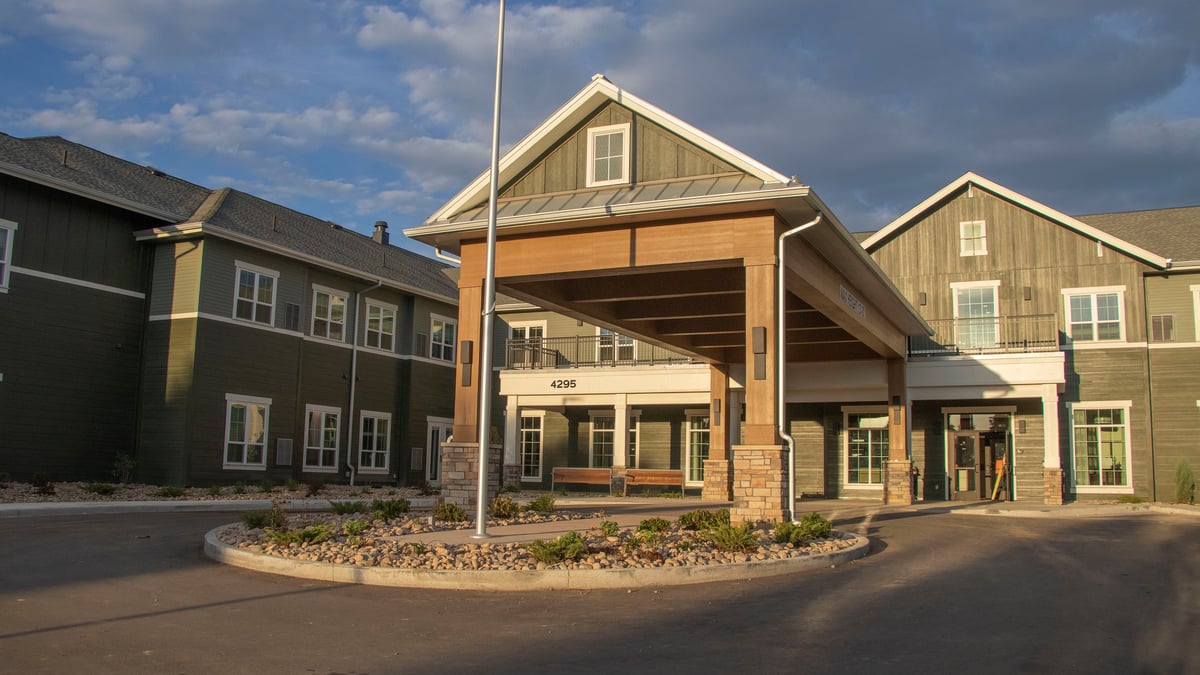
Natural beauty, a welcoming community, and a relaxed lifestyle at Stoneridge at Centerra.
Contact us to schedule a tour and learn how our community can support your family.